Save Time: Get 5 Simple Writing Tips
you can put to use in 10 minutes
Writing
eBooks: 25 Frequently Asked Questions Every New Author Asks
Award-winning writer Kathy Widenhouse has written 9 books and garnered 800K+ views for her writing tutorials.
Updated 7.10.26
Everybody is writing eBooks these days. Small biz owners, bloggers, leaders, entrepreneurs … yes, even people who think they can “get rich quick” off of AI.
But even with eBooks’ popularity, you may wonder if this is a format you should pursue and, if so, how to go about it.
Writing an eBook feels like a huge project. Questions start piling up before you even ponder your first sentence.
- How long should my eBook be?
- What should I write about?
- Do I need a publisher?
- Can I actually make money selling eBooks?
The good news is that writing an eBook is much simpler than most people think. Whether you're a freelance writer, blogger, business owner, coach, or someone with knowledge to share, an eBook is one of the easiest ways to package your expertise into a product.
Here are the questions I hear most often from new about writing eBooks … and answers that can inspire you to take the next step.
Writing eBooks: 25 frequently asked questions every new author asks
1.
What is an eBook?
An eBook (electronic book) is a digital book that people read on computers, tablets, phones, or eReaders. Unlike printed books, eBooks are downloaded instantly, making them inexpensive to publish and easy to distribute.
It may surprise you (as it did me!) that eBooks have been around for a while. Spanish teacher and inventor Ángela Ruiz Robles pioneered the first electronic book reader, la Enciclopedia Mecánica, in 1949. Fifty years later, the electronic book medium took off – thanks to the ever-present Internet and proliferating eReader products.
2.
Why should I write an eBook?
- Build authority in your niche
- Share your expertise
- Grow your email list
- Generate passive income
- Promote your business
- Teach a skill
- Attract new clients
- Increase website traffic
Many writers discover that one well-written eBook continues working for them long after it's published.
3.
What should I write about?
You can write fiction or nonfiction: novels, novellas, short stories, how-to guides, curriculum, textbooks, special reports, checklists, toolkits, workbooks, cookbooks, collections … if you can write it, you can publish it in an eBook.
Tip: The best nonfiction eBooks solve one specific problem. For instance, instead of writing about “pickleball,” write about “How To Teach Pickleball to Tweens.” The more focused your topic, the easier your eBook is to write—and the more valuable it becomes to readers.
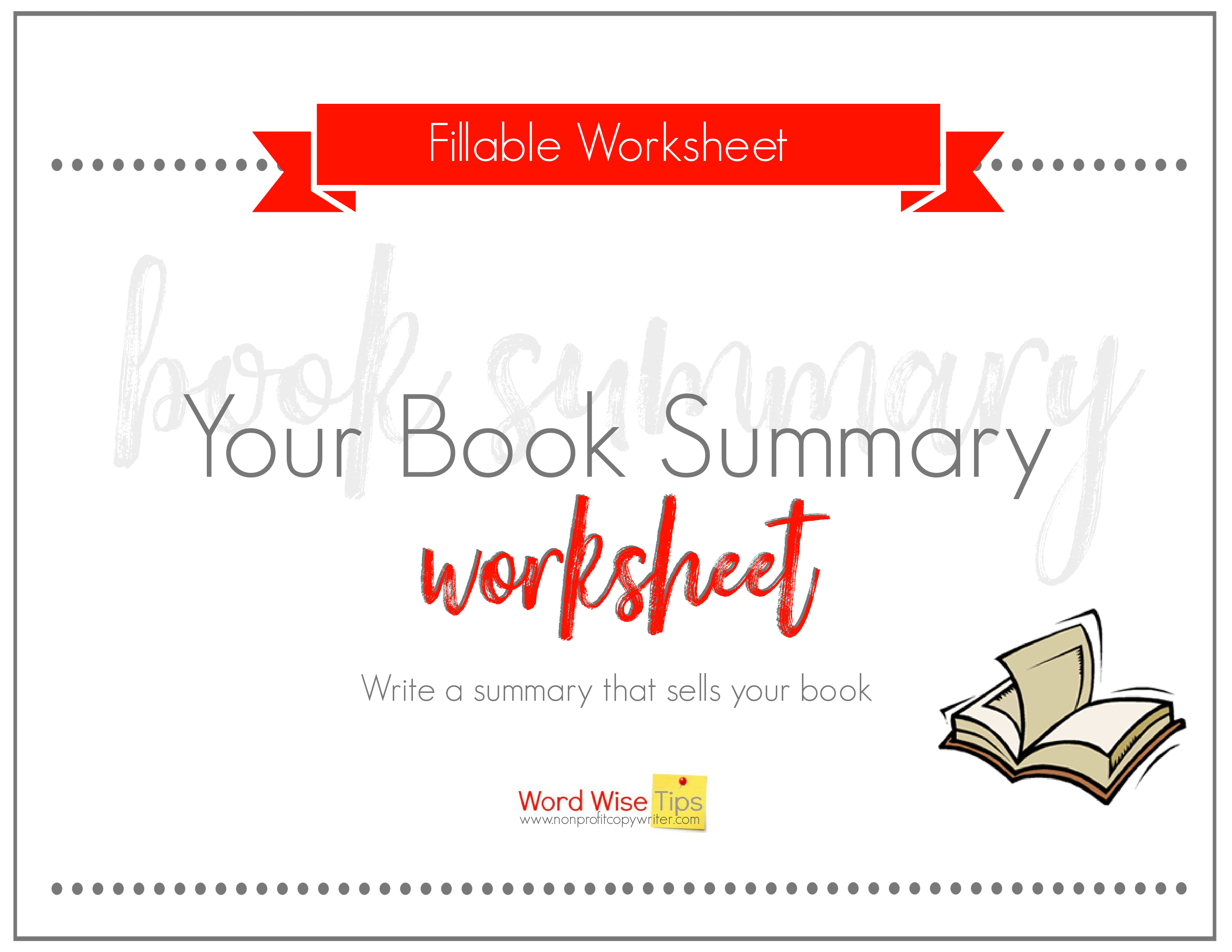
Use this step-by-step worksheet to write a book summary that sells your eBook.
4.
How do I choose a profitable topic?
Ask yourself …
- What questions do people ask me repeatedly?
- What problems can I solve?
- What blog posts get the most traffic?
- What do people search for online – especially when they search for my favorite topic or niche?
- What skills have I learned through experience?
You don’t need to be an expert. You simply need to know a bit more about your topic than your reader – and then organize that knowledge into a logical format.
If you've successfully solved a problem, learned a skill, or gained experience – or if you have an interest in a topic and a willingness to research it – you can leverage your knowledge and passion and write an eBook that others value. If people are already searching for answers, there's a good chance they'll appreciate an eBook about a drilled-down topic that puts everything in one place.
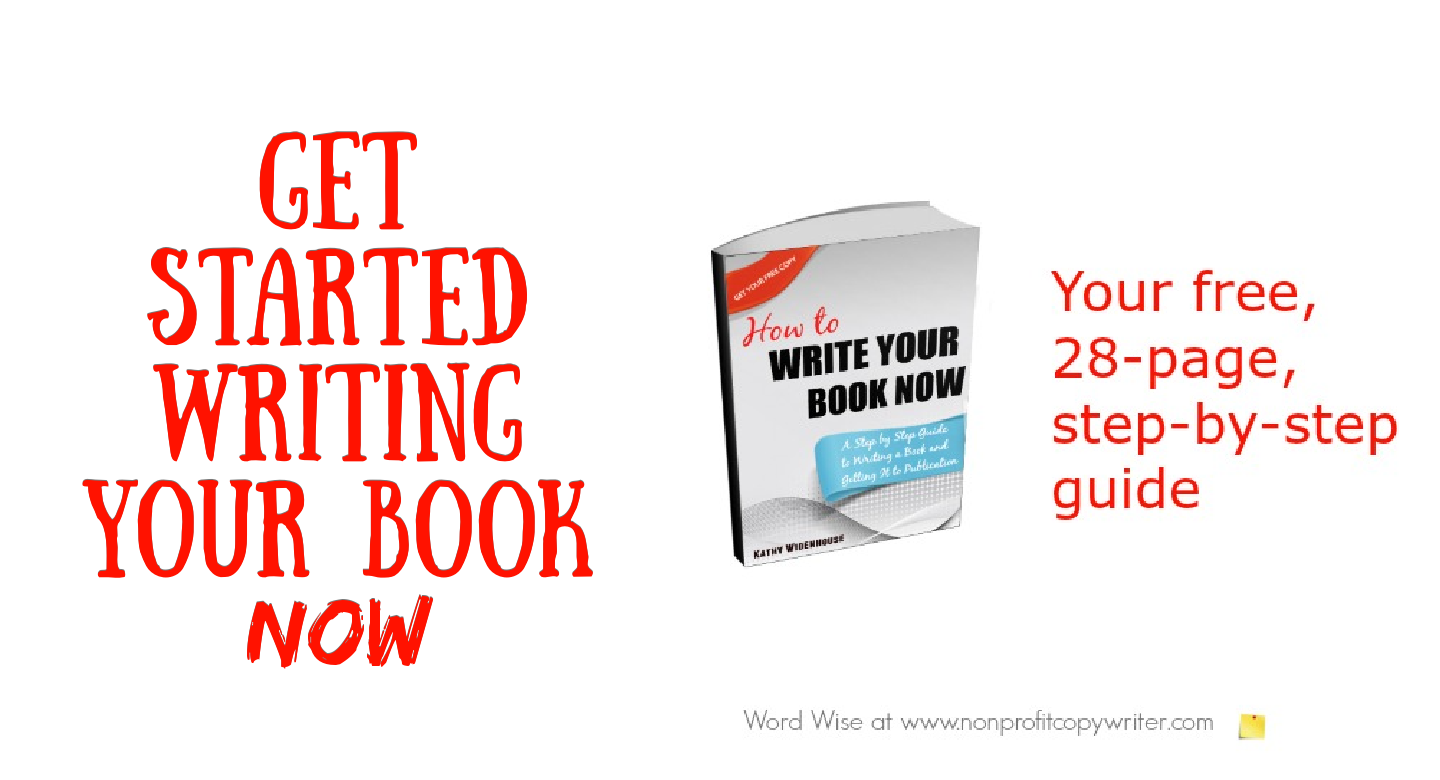
Use this FREE, step-by-step guide to get started writing your eBook today.
5.
How long should an eBook be?
There's no perfect page number, word count, or number of chapters.
Length is one big advantage of the eBook format over a
traditional print publication. While print books need to be a certain length so
that the consumer doesn’t feel cheated and so that the publisher’s investment
provides results, eBooks can be short. Readers care much more about
getting useful information than they do about page count. People
like quick reads. Many successful eBooks are between ...
- 20–40 pages
- 5,000–15,000 words
- 8–12 chapters
Tip: Nonfiction eBooks tend to be shorter than fiction.
6. How
much does it cost to write and publish an eBook?
The highest costs are time and work. In terms of actual financial layout, you can spend as little as $0 (if you completely do-it-yourself) or a couple of thousand (an average of $1,500 for professional services like editing, cover design, and formatting)
7.
How do I organize my eBook?
A simple outline works best. For example:
- Introduction
- Chapter 1, Chapter 2, Chapter 3 and so forth
- Practical tips
- Common mistakes
- Resources
- Conclusion
Tip: Think of each chapter as answering one major question.
8.
How long does it take to write an eBook?
That depends on your schedule. Some writers finish in a weekend. Others spend several months.
Writing just 500 words each day can produce a 10,000-word eBook in less than three weeks. Small, consistent writing sessions often beat marathon writing days.
But note: Writing eBooks and publishing eBooks are two different processes.
Once you’ve got your manuscript in draft, give yourself time to edit the book, make a cover or have one made, format the book in the appropriate file type, and load it into a distribution platform.
Once all that is in place, your eBook can be published within 24 hours.
Compare that with the traditional author-agent-publisher-designer-printer-bookstore model, which can take 12 to 18 months to get your book into print. Even if you have a steep learning curve, eBooks are considered to have a much, must faster timeline to publication than traditional print books.
Check out a simple book writing plan that's fillable and re-usable.
9.
Can I use my blog posts as content for my eBook?
Absolutely. Many successful eBooks begin as collections of blog posts. (Such is the case with my own Writing By The Book.)
The key is to rewrite, update, organize, and connect them into a single, complete resource rather than simply copying and pasting articles.
10.
Should I include pictures in my eBook?
If images help explain your topic, yes. Depending on your subject, you might include …
- Photos
- Charts
- Diagrams
- Screenshots
- Worksheets
- Checklists
- Illustrations
Visuals can make information easier to understand.
11.
Do I need perfect grammar?
Readers appreciate clear writing, logical organization, and an easy-to-read format. Editing carefully matters far more than trying to make every sentence flawless.
Your eBook should be polished, but perfection isn't the goal.
12.
What file format should I use?
The most common formats are:
- EPUB
- MOBI (less common today)
- DOCX (for editing)
PDFs are especially popular for checklists, guides, planners, and educational resources published as eBooks.
13.
Can I publish my eBook myself?
Yes. Self-publishing is easier than ever. You control…
- Pricing
- Design
- Updates
- Marketing
- Royalties
Many writers never use a traditional publisher.
14. Where can I sell my eBook?
Popular options include ...
- Your own website
- Online marketplaces, like Amazon or Kindle Direct Publishing
- Digital product platforms, like Gumroad
- Your email newsletter
- Your online store
Selling directly from your own website often gives you the most control over pricing and customer relationships.
15.
How much should I charge?
Pricing depends on the value your eBook provides. Many beginner eBooks range from:
- $7–$15
- $17–$29
- $37–$49
A highly specialized guide that saves readers significant time or money justifies a higher price.
16.
Can I give my eBook away for free?
Yes. Free eBooks are excellent lead magnets – I use them myself. Exchange a free eBook for an email address and you’ll grow your subscriber list while providing immediate value to your reader. Here's a free eBook that helps you get started writing a book.
17.
Do I need a fancy cover?
Not fancy—but professional. Your cover creates your eBook’s first impression.
Study eBooks in your niche and notice which ones grab your attention. You’ll find the most attractive use of easy-to-read fonts, clean layouts, high contrast, relevant images, and simple color palettes.
Tip: A cluttered cover can make even great content look less valuable.
18.
How do I market my eBook?
Start with what you already have. Promote it through …
- Your website
- Your blog
- Your email newsletter
- Your social media channels
- Guest posts
- Podcasts
- YouTube videos
- Speaking engagements
Marketing works best when it's consistent rather than overwhelming.
Make a successful marketing plan for your eBook - all on 1 page.
19.
Can I make passive income from my eBook?
Yes, writing eBooks can be profitable for several reasons:
- Low cost: Compared to traditional publishing, eBooks typically have lower production costs because they don't require printing or physical distribution.
- Accessibility: eBooks can reach a global audience instantly through platforms like Amazon Kindle, Apple Books, and others, which increases potential sales.
- Control: Authors often retain more control over pricing, marketing, and content compared to traditional publishing models.
- Passive income: Once published, eBooks can generate passive income as long as they continue to sell, providing a potential source of ongoing revenue.
- Expert positioning: Publishing eBooks can enhance your authority and credibility in your field, potentially leading to speaking engagements, consulting opportunities, or other business ventures.
Keep in mind, though, that passive income usually requires active marketing—especially at the beginning. You can increase sales by writing a sequel to your eBook, a series of eBooks, or by bundling your eBooks.
Tip: If you specialize in this writing niche, you can build a strong freelance writing clientele by writing eBooks for others. Everyone wants a book with their name on the cover.
20.
Should I update my eBook?
Yes. Refresh it whenever information changes and statistics become outdated. Readers may ask questions about the content in your eBook, so be sure to update your eBook’s new editions with those answers. And don’t forget to update live links in your eBook, particularly to pages on your own site or upsell landing pages to your other products.
An updated eBook provides more value to your reader and keeps your content relevant.
21.
What mistakes should I avoid when writing eBooks?
Biggest eBook writing mistakes are …
- Choosing a topic that's too broad. Drill down to a single issue. You will create a more impactful eBook – plus, you can use all your adjacent ideas to write additional related eBooks.
- Trying to impress instead of helping. Use your eBook to answer one question or solve one problem your reader has.
- Skipping editing. Nothing screams “amateur” louder than typos.
- Ignoring formatting. Lots of white space … bullet points … appropriate chapter titles and subtitles – these make your eBook easy for tablet and device readers to consume.
- Writing without an outline. Readers can forgive a folksy tone if you present your content in a logical order.
- Waiting for perfection before publishing. Done is better than perfect.
22.
How do I know if my eBook is finished?
Ask yourself:
- Does it answer the reader's main question?
- Is every chapter useful?
- Have I removed unnecessary information?
- Is it easy to follow?
- Would I recommend it to a friend?
If the answer is yes, it's ready.
23.
Can writing one eBook lead to more opportunities?
Absolutely. An eBook can become an online course, a workshop, a webinar, a coaching program, a printable workbook, a speaking topic, a membership resource, a related eBook, an eBook series …
One idea can become many products.
24.
What if I don't feel qualified to write an eBook?
Welcome to the club! Almost every writer feels this way at first.
Try this. Instead of asking, "Am I an expert?”, ask, "Can I help someone?" If your eBook solves a problem or answers a question, it has value.
25.
What's the best way to start writing eBooks?
Don't worry about writing an entire book today. Just take one step …
- Choose one specific topic.
- Create a simple outline.
- Write one chapter.
- Edit it.
- Repeat until you're finished.
Progress comes from writing one page at a time.
Writing
eBooks gives me freedom
I wrote my first eBook a couple of decades ago – it was a simple PDF download I offered on my first website. At the time, I didn’t know I’d officially entered the eBook world. I simply created a helpful resource for my readers.
Since then, I’ve created a couple of dozen eBooks. And I haven’t looked back.
Would I ever return to the traditional publishing process? Sure. If the right opportunity arose at the right price.
But writing eBooks gives me freedom …
- To write about topics I choose.
- To write and publish on my own schedule.
- To write about problems my readers have that I can help them solve.
You don’t need to wait for a publishing house contract or even for another writer to tell you you’re “good enough” to write an eBook.
Start small – with one idea that helps readers solve a problem. Focus on creating content that’s genuinely useful and solves the problem.
My bet is you are surprised at how quickly you can turn your idea into a finished product that helps readers, creates the next opportunity … and places you squarely on the eBook bandwagon with other motivated writers.
More eBook Writing Tips
Get Started Writing eBooks: A Simple Tutorial ...
eBook Writing Software: The Lowdown on Tools for Writing eBooks ...
The Best Product to Sell Online (Especially for Writers) ...
1-Year Book Writing Planner (Fillable and Re-Usable) ...
Should You Write a Free eBook? Take This Quiz to Find Out ...
Top Tip for Selling Your Book or eBook ...
How to Use a Personalized Book Writing Plan to Get Your Book Done ...
How to Write an eBook Fast ...
E-Books Versus Print Books: Which Do Readers Prefer?
Writing an eBook? Get started by writing a short one ...
Why You Should Write an eBook: 5 Reasons to Consider It ...
Getting Started Writing a Book ...
Ebook Writing Tips: What’s the Best Book Word Count for eBooks?
6 Tips for Writing Good Copy for Your Book Jacket ...
What Goes on the Back Cover of a Book?
Writing a Book Outline: It's Easier Than You Think ...
Book Writing Help: Find Your Book's Unique Niche ...
Book Writing Help: Choose a Publishing Platform ...
Book Writing Help: Create a Writing Plan ...
Book Writing Help: Create a Book Outline and Chapter Plan ...
How to Get Book Reviews For Free ...
More tips for writing eBooks on our Pinterest board ...
Return from Writing eBooks: FAQs to Nonprofit Copywriter home
As an Amazon Associate I earn from qualifying purchases.
Share This Page
Named to 2022 Writer's Digest list
BEST GENRE/NICHE WRITING WEBSITE
Stop Wasting Time!
Grab your exclusive FREE guide, "5 Simple Writing Tips You Can Put to Use in 10 Minutes or Less"
 Subscribe To This Site